

Digitalising and smarter production in manufacturing industry
By fully embracing Smart Manufacturing, the Dutch manufacturing industry can undergo an impressive transition over the coming years and become a leading player in Europe as early as 2030. Ambitious? Certainly. At TNO, we are convinced that the Dutch manufacturing industry has what it takes to achieve the necessary digital transformation in the years ahead.
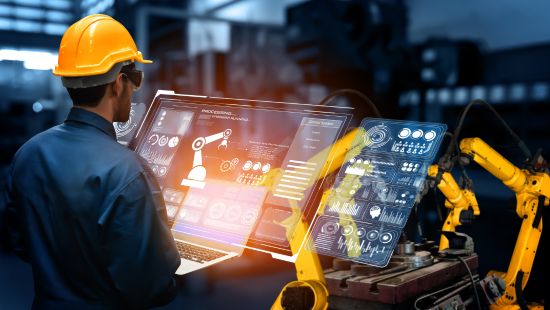
No progress without digitalisation
Smart connecting products, machines and people. And deploying the very latest production technologies: how can SMEs make the best possible use of digitalisation TNO colleagues have written a white paper about how digitalisation is affecting the Dutch manufacturing industry, with a focus on SMEs.
Inspiring projects
-
ISENTIAL: Inline sensing for safer, more efficient electrolysers
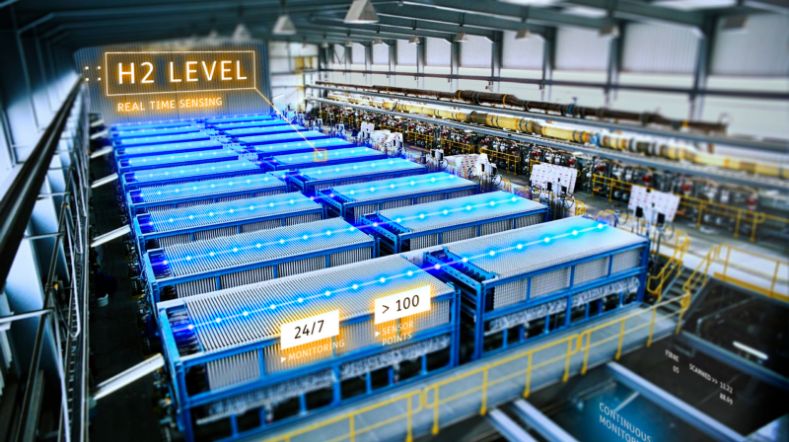
In cooperation with
TNO, TU Delft, Nel, Shell
-
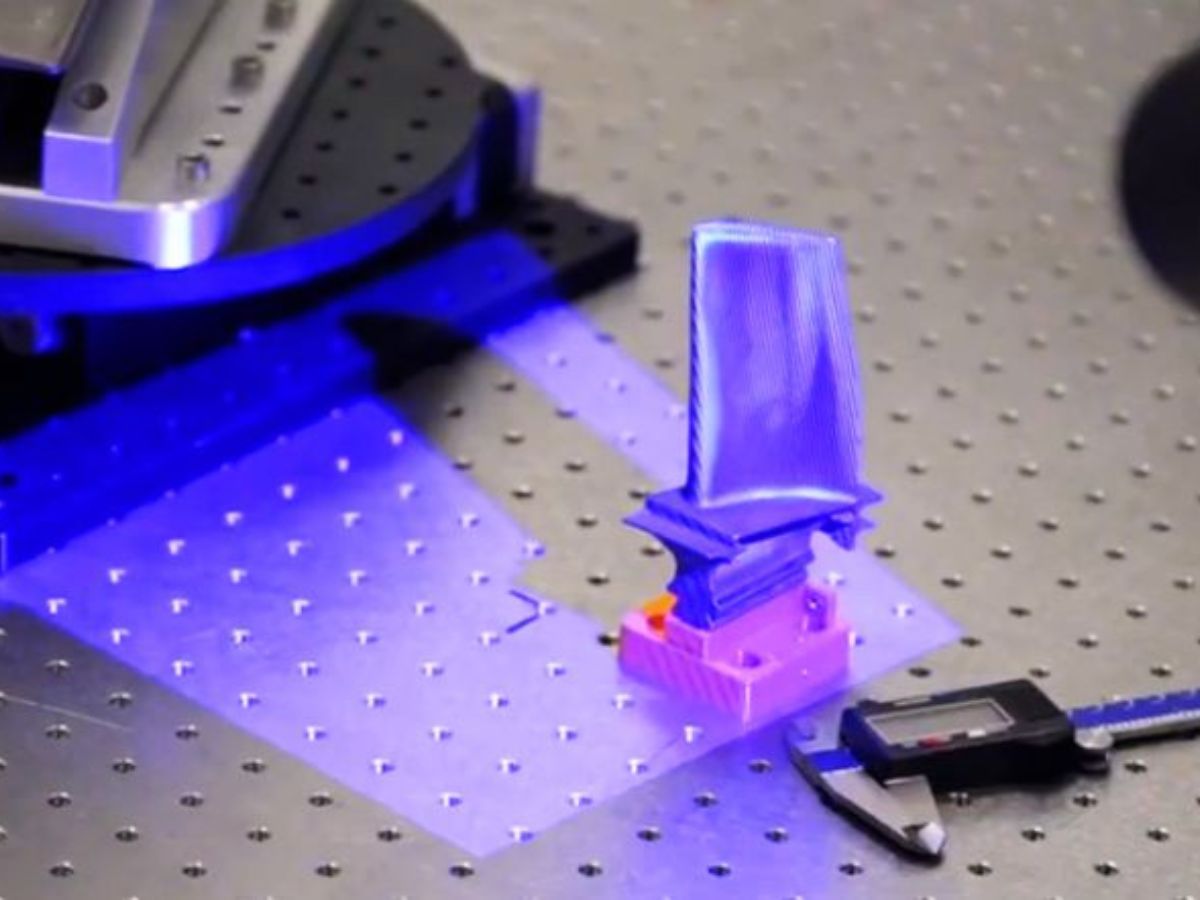
Automated 3D inspection and repair without CAD data
-
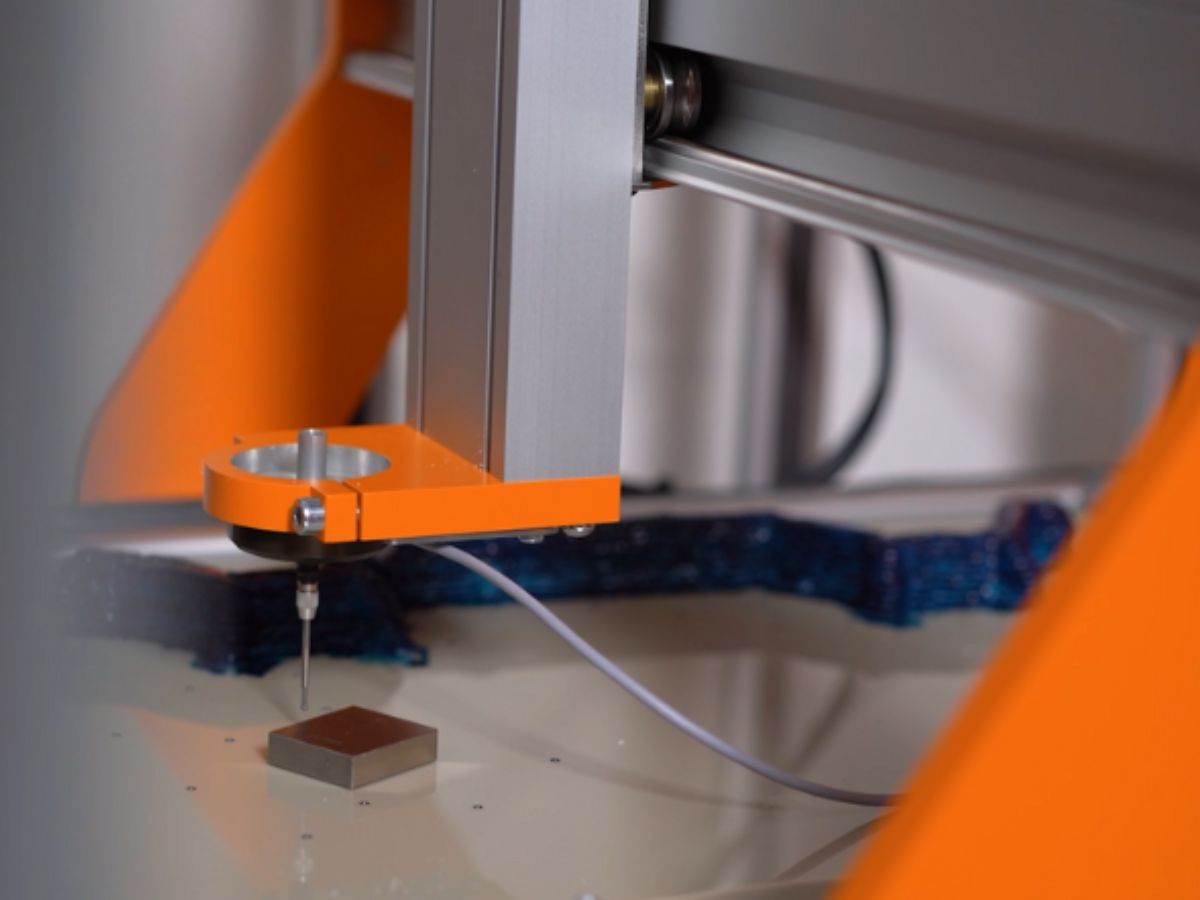
3D Nesting: precision quality control and manufacturing efficiency
-
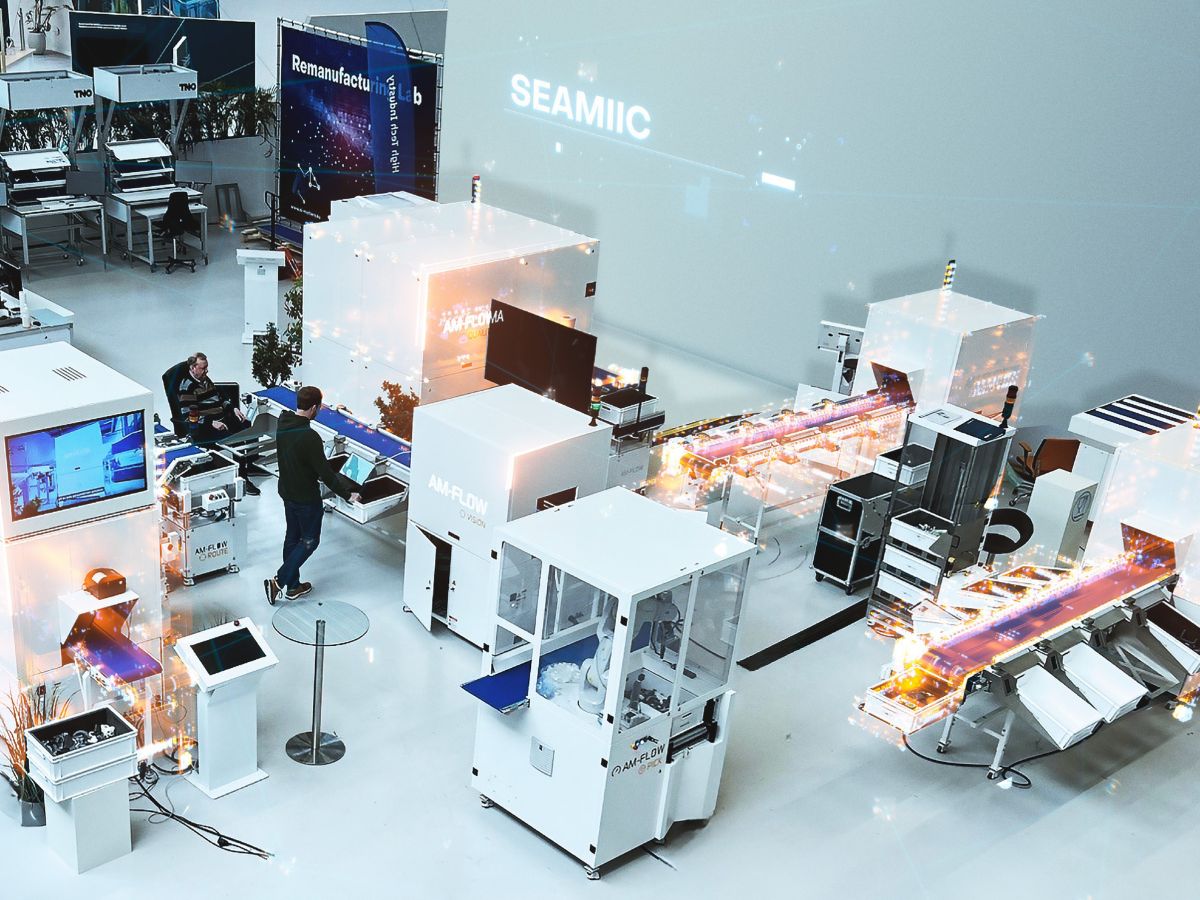
SEAMIIC: Autonomous parts handling and quality control
-
Using data to improve the factory

-
Effective human robot cooperation and AR support
In cooperation with
EU-project Horse, Thomas Regout International
The power of Smart Manufacturing
Smart Manufacturing helps the manufacturing industry design, produce and deliver products faster and more efficiently. At the same time, digitalisation makes it easier to manufacture more sustainably and respond more effectively to specific customer requirements. In this way, Smart Manufacturing contributes not only to a competitive industry, but also to Europe’s strategic autonomy.
Manufacturing throughput and quality
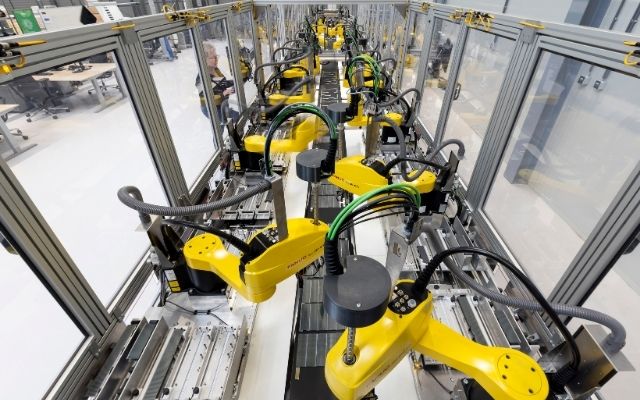
- Focus on hyper efficiency, zero-defect, first-time-right production.
- Solutions to make robots, sensors, and production machines work together flawlessly and autonomously adapt to changing production flows.
- Flexible and competitive production thanks to the power of robotisation and automation.
Manufacturing variability
Harnessing the potential of robotisation and digitalisation to produce a specific part at a cost more in line with mass production.
Value chain integration
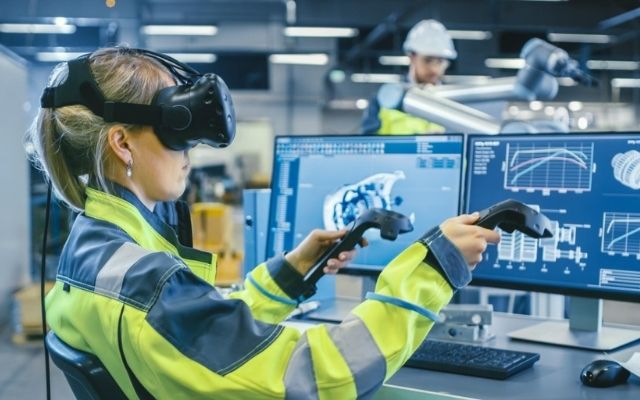
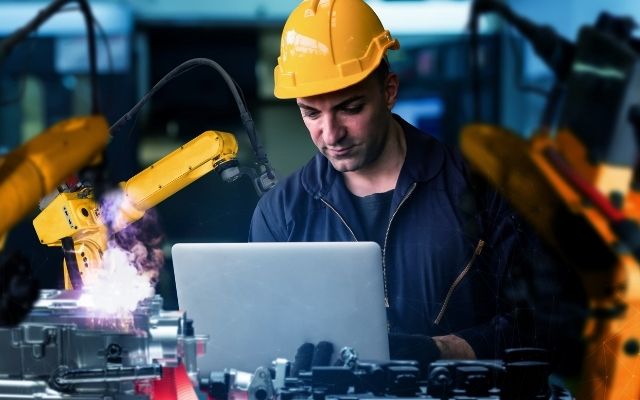
Automation of the entire production process and digital collaboration with suppliers, service providers, and customers. Tools for manufacturing companies for a digital and autonomous production environment.
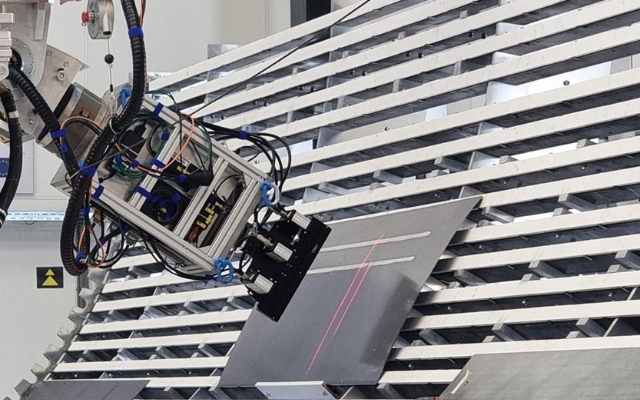
Non-destructive inspection using direct velocity mapping
Detecting internal defects without cutting a product open? TNO develops advanced inspection technologies that provide insight into the quality of materials and components without causing damage.
More about smart manufacturing
The transition to Smart Manufacturing requires more than technology alone. Many companies are still struggling with digital transformation, and there is a need for long-term R&D programmes that help address these challenges. Successful digitalisation also requires new ways of working, organisational changes and optimised processes. It is precisely this combination that makes the transition complex.
TNO develops applicable knowledge and brings partial solutions together to create integrated solutions that help manufacturing companies move forward. Cooperation goes naturally. From our independent position, we bring all the parties involved together. Everyone contributes their own expertise, ensuring that knowledge and skills are used to their full potential. We often innovate in field labs and our own research facilities. Together with partners, we devise, develop and test solutions to challenges in smart manufacturing. This gives you an impression of what these solutions could look like in practice and helps us make the very latest possibilities tangible and applicable.
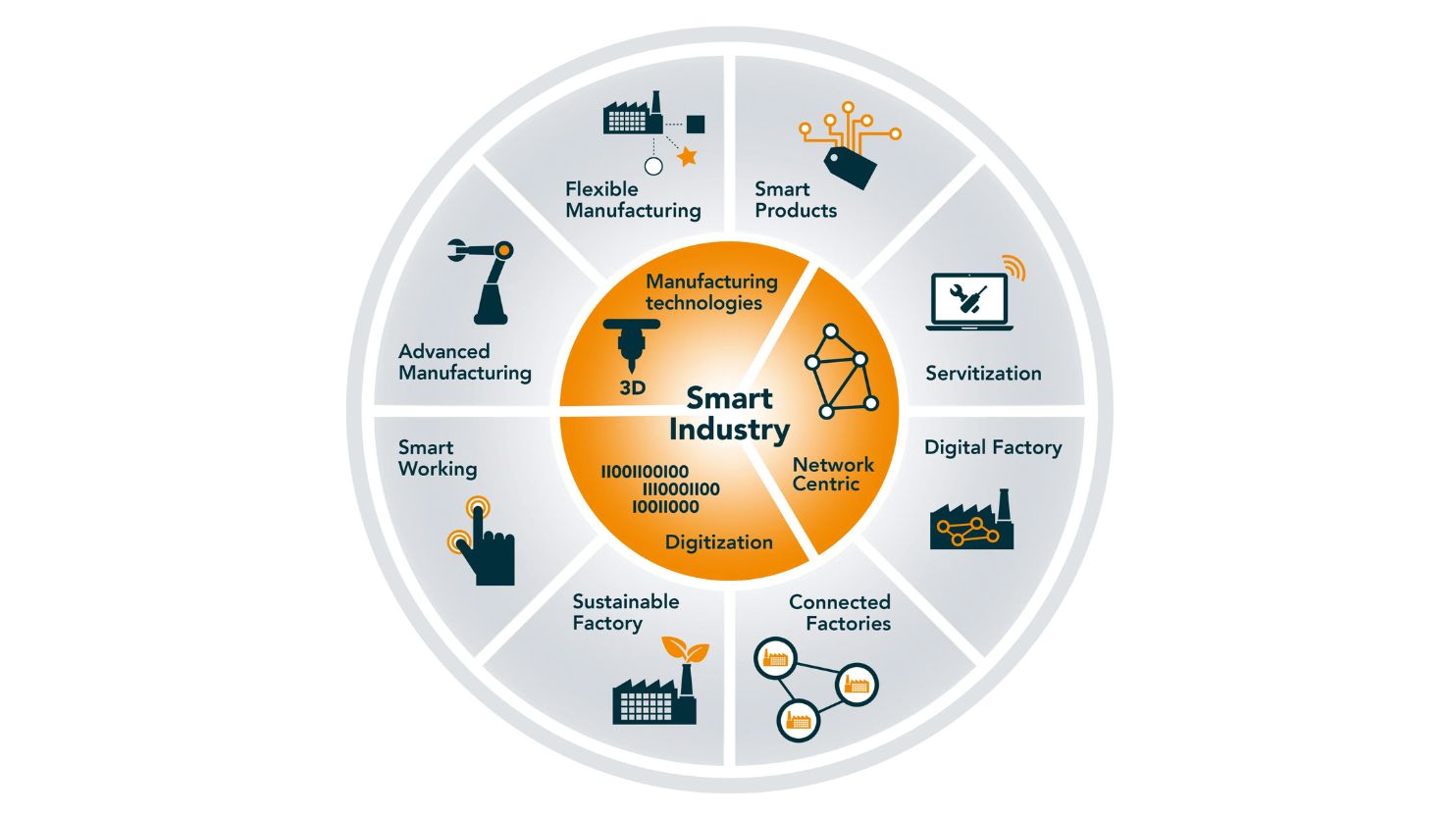
Alongside digitalisation, modern production technologies and collaboration across networks are also essential. The development towards Smart Manufacturing is described through eight transformations, brought together in the Smart Industry Wheel, the Dutch interpretation of Industry 4.0 and 5.0. These transformations form the basis of the national action agenda and help companies, knowledge institutions and public authorities work together in a targeted way.
In the field of smart manufacturing, we work closely with the Smart Industry Programme Office and Holland High Tech. As TNO, we have a clear overview of and an independent perspective on the latest state of the art, available testing facilities, system integrators and cost-benefit analyses for investments in digitalisation, sensors, automation and robotics. We apply the ‘test-before-invest’ principle in combination with short-cycle innovation to minimise investment risks for industry, accelerate innovation and increase the chances of success. Read more on the TNO Fast Track website.
Yes. AI can help convert the hidden knowledge of experienced employees into step-by-step instructions for less experienced colleagues. Among other things, TNO is working on the automatic generation of work instructions from 3D CAD data, video, speech and other sources.
Yes. Robotisation can be particularly worthwhile for companies that manufacture or assemble many different parts in small volumes. Smart software can reprogramme robots for new tasks, making it easier to combine automation with flexibility. Read more about small-scale robotisation.
A Digital Twin is a digital replica of an industrial process. It enables you to see on screen, in advance, how changes will affect areas such as efficiency, quality, lead time, costs or robotisation. This helps you determine which investments are worthwhile before implementing them in the physical factory. Read more about digital systems in the production environment.
A logical first step is to look at processes where employees still use paper instructions or where a great deal of time is lost explaining tasks, training people or correcting errors. Digital work instructions, tablets, projection technology, augmented reality or smart glasses can add immediate value in these areas. Read more about operator support and digital work instructions.
Zero programming means that robots do not need to be manually reprogrammed for every new task. By planning robot paths automatically, companies can switch more quickly and increase productivity.
By intelligently combining data from machines, systems and supply chain partners, you gain better insight into capacity, lead times and bottlenecks. This helps you plan more realistically, make adjustments more quickly and prevent errors or downtime. Digital technology, such as data sharing and Digital Twins, also makes it possible to test scenarios in advance before investing in changes on the factory floor.
Companies can see technologies in action and experiment with them in field labs, such as the Flexible Manufacturing field lab, the Remanufacturing Lab at the Brainport Industries Campus in Eindhoven and the RoboHouse field lab in Delft. This reflects the ‘test-before-invest’ principle.
Contact us
-

Mark Courage
Functie:Director Smart Industry-
Standplaats:Delft - Stieltjesweg
-
Email:Email Mark
-
Get inspired
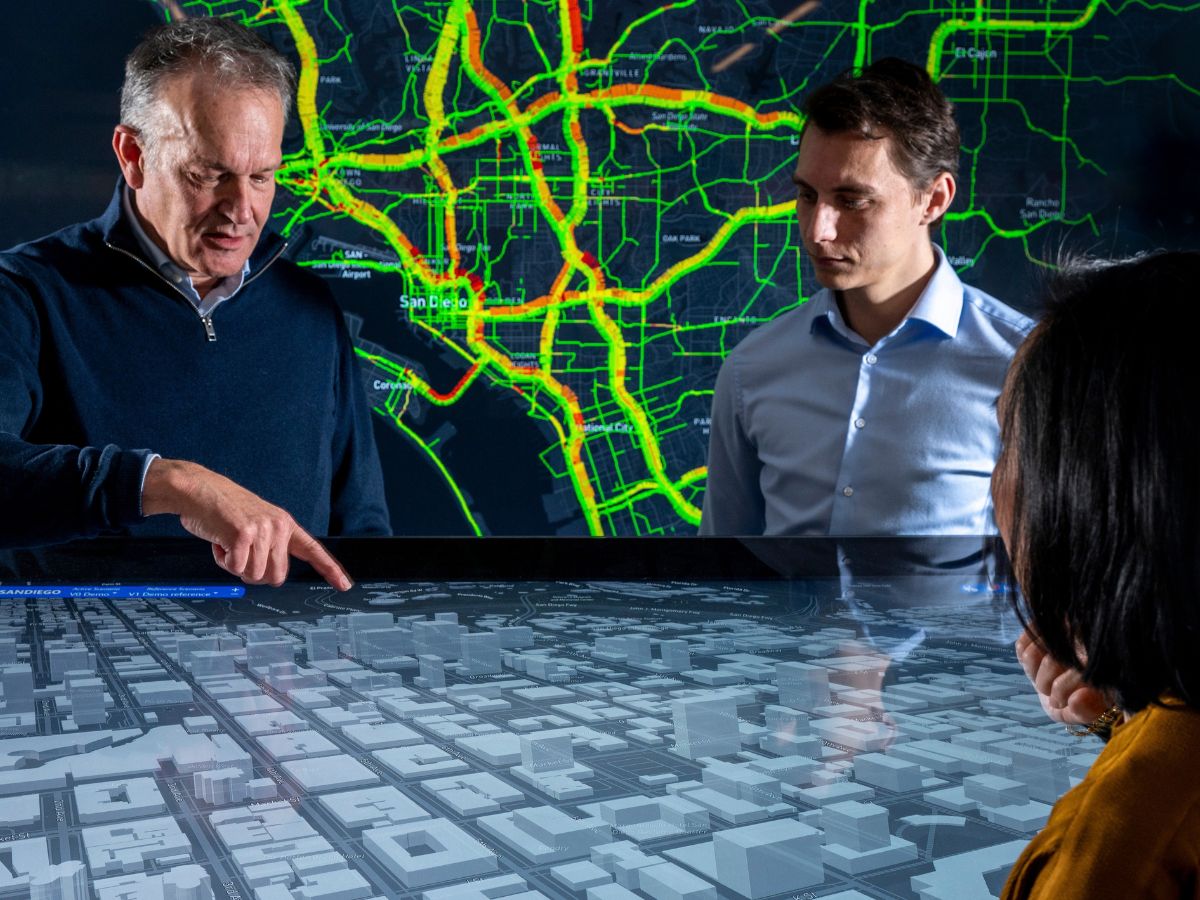
Better decisions for housing, mobility and climate through digital twins
How manufacturing companies can make the transition to circular production

Without robotisation, the Netherlands will no longer have its own manufacturing industry in ten years
Partnering for mutual progress

TNO spin-off Scenexus secures 1.6 million euro investment
